At Kurt Kavanaugh Orthodontics, we love working together to craft a happy, healthy smile for every member of your family. But once the braces or aligners come off, that doesn’t mean the journey’s over! Let’s talk about retainers, how they work, and why they matter.
Why Retainers Matter After Braces
Getting your braces off is a huge milestone—but it’s not the end of your orthodontic journey. Once your teeth are straight, they need time to settle into their new positions. That’s where your retainer comes in. It holds everything in place while your mouth adjusts, and helps protect all the work you and your orthodontist have done together.
Teeth naturally try to move back
After braces come off, your teeth may slowly start to shift back to where they were before. This is called relapse—and it’s completely normal. The ligaments and tissues in your mouth have a memory, and without something to keep them steady, they’ll try to return to their original positions.
That’s why it’s so important to wear your retainer exactly as directed. It prevents that natural movement and holds your results in place.
Retainers protect your treatment investment
Braces or clear aligner treatment can take months or years. A retainer protects all that time, effort, and cost. Think of it as your smile insurance—it keeps your results looking great long after active treatment ends.
Wearing your retainer isn’t just a rule—it’s the smartest way to make sure your smile stays as straight as the day your braces came off.
It’s the final (and ongoing) step in your care
Even though your teeth feel “done” after braces, they’re still settling into place. Wearing your retainer consistently in the months right after treatment gives your bones and tissues time to fully stabilize.
Eventually, you may only need to wear it at night—but in those early weeks and months, it’s an essential part of keeping your smile right where you want it.
How Retainers Work, Explained Simply
You don’t need to be a dentist to understand how retainers work. They’re designed to hold your teeth in place while your mouth adjusts after braces. The concept is simple—but the impact is huge.
They guide your teeth while the bone settles
After orthodontic treatment, the bone around your teeth is still remodeling. Your retainer keeps your teeth in the right position during this phase, guiding the tissues and bone to “set” around your new smile.
It’s like holding a puzzle piece in place while the glue dries—remove it too soon, and it slips out of position.
Pressure keeps things in place without movement
Retainers apply gentle, even pressure to prevent your teeth from shifting. Unlike braces, they’re not moving your teeth anymore—they’re just holding them still. This steady pressure helps your results stay consistent as your body adjusts.
Even though you won’t feel the same kind of force as braces, your retainer is doing important work behind the scenes.
Timing is key—especially right after braces
The first few months post-treatment are when your teeth are most likely to move. That’s why you’ll be asked to wear your retainer full-time at first (usually 20–22 hours per day), then transition to nighttime-only wear later on.
Skipping days or wearing it inconsistently during this phase can lead to shifting that’s hard to reverse. Consistency early on leads to stability long-term.
Types of Retainers and What to Expect
There’s no one-size-fits-all solution when it comes to retainers. Your orthodontist will recommend the right type based on your treatment, your habits, and your unique smile. Some are removable, while others stay in place long-term.
Removable retainers (Essix, Hawley)
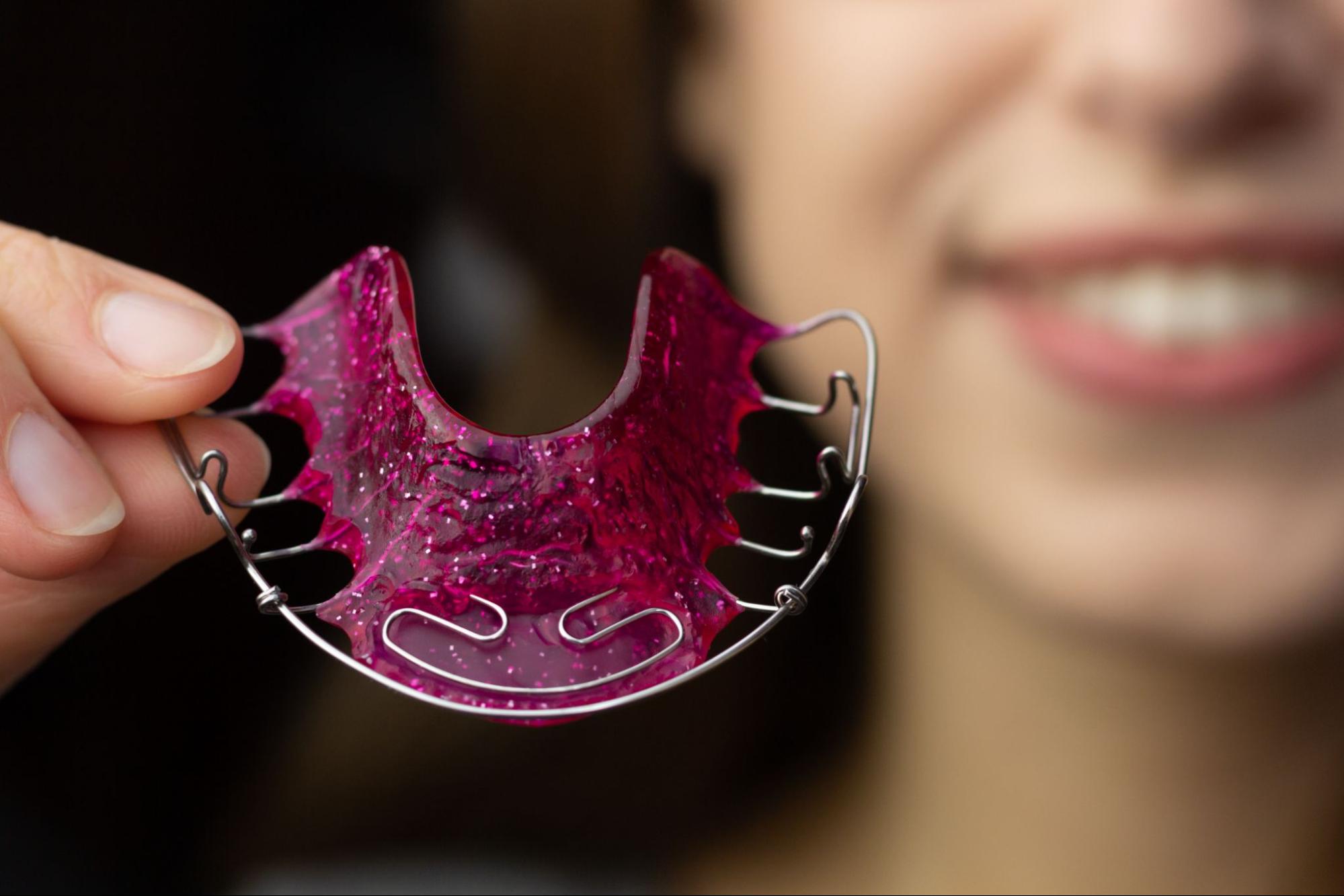
The most common types of removable retainers are clear plastic (Essix) trays or traditional wire-and-acrylic models (Hawley). Clear retainers are nearly invisible and custom-molded to your teeth. Hawley retainers are more durable and adjustable over time.
Removable retainers are easy to clean and let you eat without restriction—but they do require discipline to wear them as prescribed.
Fixed retainers (bonded wires)
Some patients, especially those with a history of gum disease, may benefit from a permanent retainer—a small wire bonded to the back of the teeth. These stay in place 24/7 and can last for years with proper care.
Fixed retainers require the patient to be careful of what they eat (much like when they wore braces) in addition to good brushing and flossing around the wire.
What your first few months will look like
After your braces come off, you’ll likely wear your retainer full-time for a few months. That means all day and night, removing it only for eating and brushing. After that, your orthodontist may transition you to nighttime wear only.
We’ll walk you through every step and help make sure the fit stays snug and comfortable.
Tips for Taking Care of Your Retainer
Your retainer works hard to protect your smile—so it’s important to treat it with care. With just a few simple habits, you can keep your retainer clean, safe, and effective for years to come.
First of all, be sure to rinse your retainer with cool water after every meal, and gently brush it once a day with a soft toothbrush. For clear retainers, avoid toothpaste, which can scratch the plastic—use mild soap or a cleaner made just for aligners instead.
A clean retainer keeps your smile healthy and your breath fresh.
Always store it in a case (not a napkin!)
Too many retainers end up in the trash after getting wrapped in a lunch napkin. When it’s not in your mouth, your retainer should always be in its case. This keeps it clean, safe from pets, and easy to find when you need it.
Keep an extra case in your bag or locker—just in case.
Avoid heat, bending, or damage
Retainers are durable, but they’re not indestructible. Hot water, dishwashers, and even a sunny dashboard can warp the plastic. Keep your retainer away from heat and avoid bending it with your hands, which can affect the fit.
If your retainer ever feels off or gets damaged, contact us right away so we can take a look.
Your Smile, Your Responsibility—We’re Here to Help
Wearing your retainer is one of the easiest ways to protect your investment in your smile. It takes just a few minutes a day—but it makes all the difference in keeping your results long-term.
At Kurt Kavanaugh Orthodontics, we don’t just send you home with a retainer and hope for the best. We schedule follow-ups to check your fit, answer questions, and make sure everything’s going smoothly.
If anything feels off, we want to hear about it early.
Contact us if your retainer is lost or damaged
Life happens. If you lose or break your retainer, don’t wait—reach out to our Kansas City or Sedalia office as soon as possible. The longer you go without wearing it, the greater the chance your teeth will shift.
We’ll help you get a replacement quickly and get your smile back on track.


Smile care doesn’t stop when braces come off
Braces are just the beginning. Retainers are what make your results last. With a little help from you—and support from our team—you’ll be able to enjoy your smile for life. Ready to get started? Consultations are always free, and with convenient Kansas City and Sedalia offices, we’re right where you need us!
Dr. Kavanaugh, Dr. Baig, and the whole team can’t wait to get started, so we’ll see you soon!