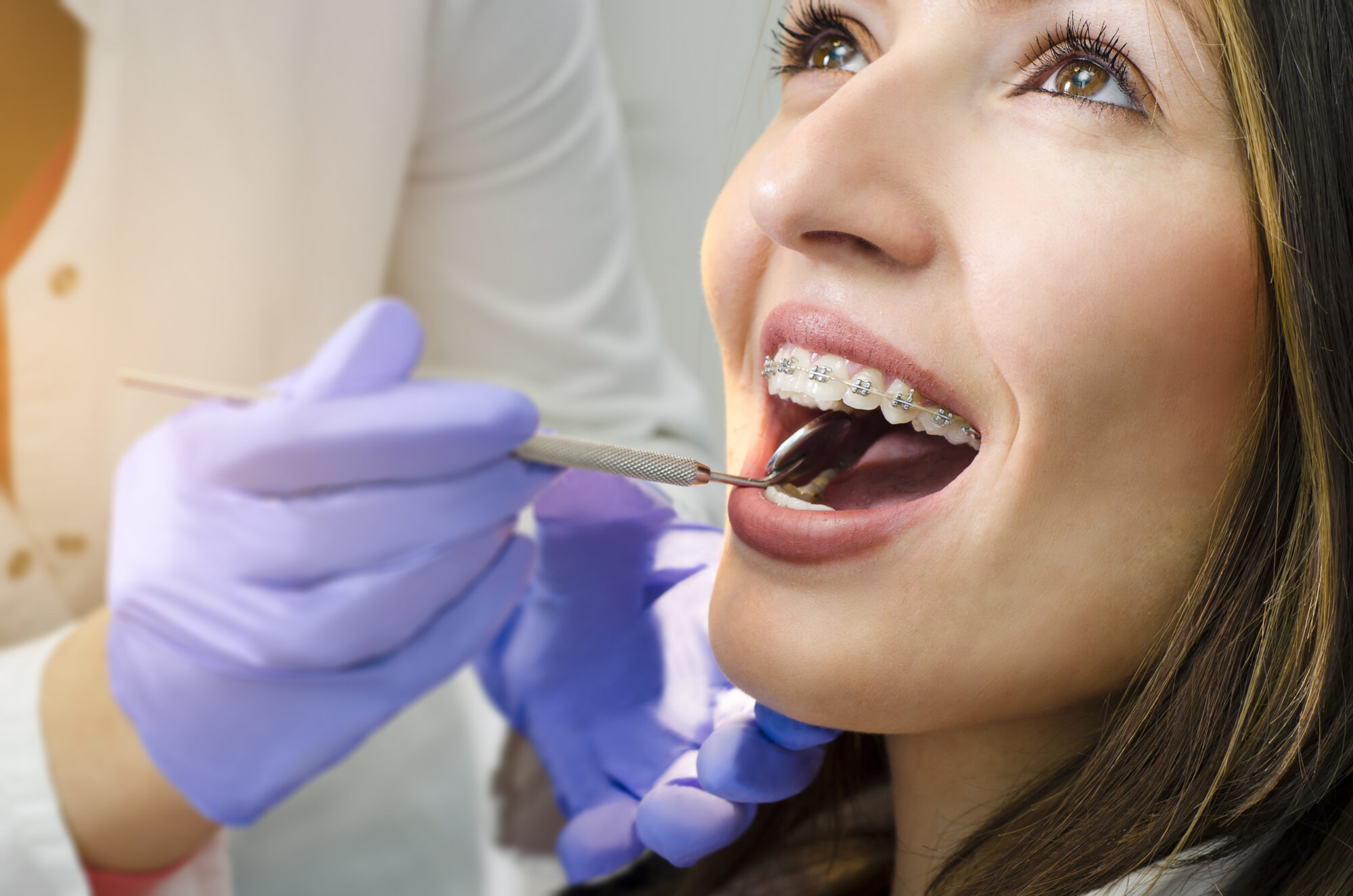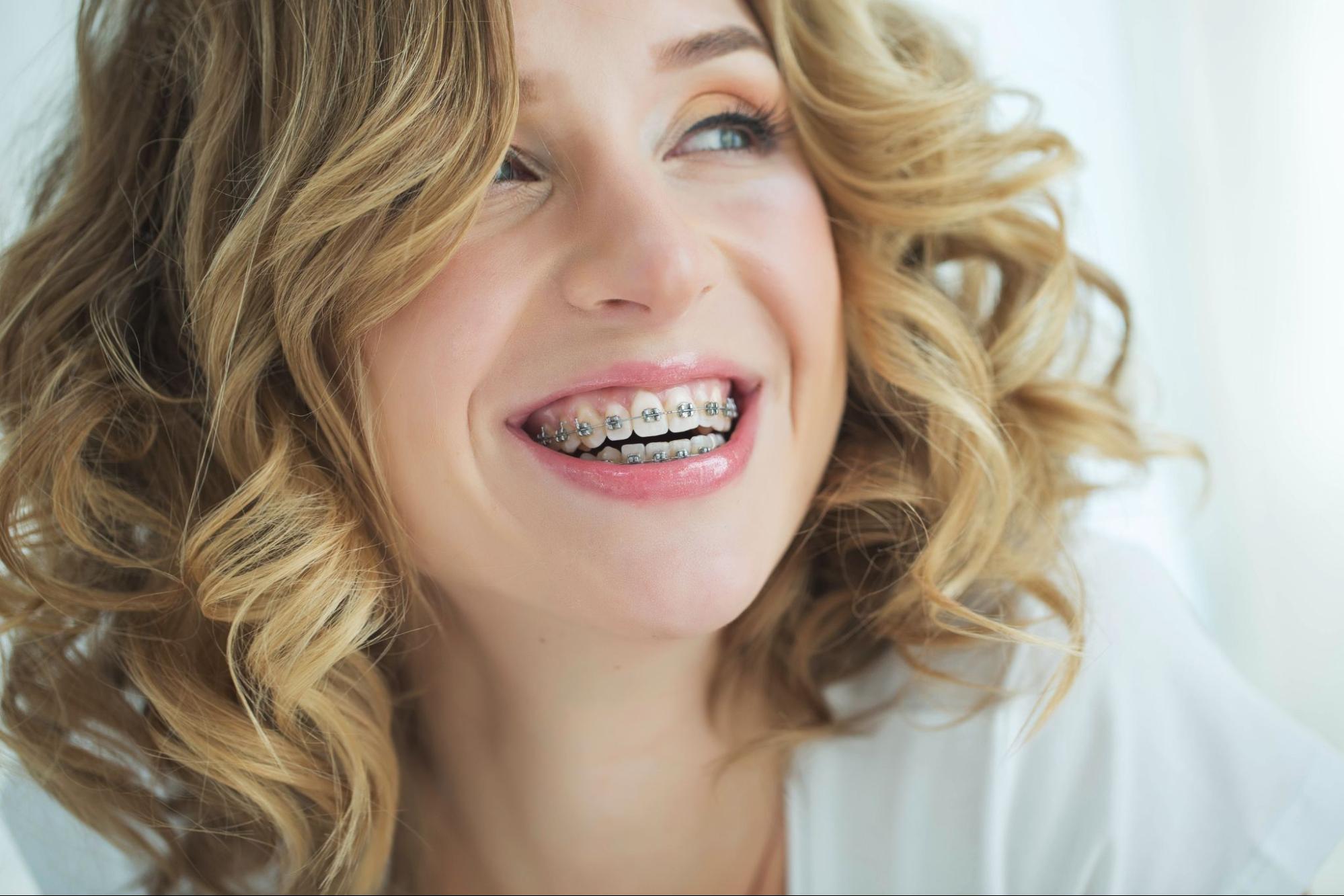
Starting orthodontic treatment is an exciting step toward a healthier, more confident smile, but it also comes with new habits to learn. Whether you’re wearing metal braces, clear braces, or clear aligners, a few practical routines can help keep treatment moving smoothly and your mouth feeling comfortable. At Kurt Kavanaugh Orthodontics, Dr. Kurt Kavanaugh and Dr. Zaara Baig guide patients through every stage of treatment, offering support, resources, and clear instructions. Patients in both our Kansas City and Sedalia offices can use the following tips as a simple roadmap to success.
The Difference Between Braces and Clear Aligners
Orthodontic treatment comes in various forms, and while braces and clear aligners both move teeth using gradual pressure, they work slightly differently. Metal braces and clear braces stay in place, which means that eating habits, cleaning routines, and comfort tools are crucial. Clear aligners are removable, so staying consistent with wear time is the biggest factor in progress. No option is better than the others. They just require different habits to keep things moving smoothly.
Now that you know what makes these treatment styles different, here are five easy-to-do tips for each treatment to help you feel confident in your routine.
Tips for Metal Braces and Clear Braces
Wearing metal braces or clear braces takes a little time to get used to, but once you learn the rhythm, caring for them becomes part of your routine. A few smart habits, such as those listed below, can help prevent irritation, protect your brackets, and keep your treatment moving as planned.
1.) Keep your braces clean
Keeping your braces clean is one of the most important parts of treatment. Since brackets and wires create small spaces where food and plaque can collect, brushing and flossing regularly helps prevent irritation, staining of your ties, teeth discoloration, and buildup around the teeth and gums.
A good routine starts with brushing twice a day and again after every meal. Taking the time to brush around each bracket helps remove anything that may get trapped along the edges. Using small circular motions makes it easier for the bristles to reach near the wire and along the gumline.
Flossing is just as essential as brushing during treatment. A floss threader can guide floss under the wire so you can clean between teeth. Water flossers are helpful for getting into tighter spaces or areas where food tends to stick, and interdental brushes are perfect for on-the-go flossing.
2.) Use orthodontic wax for comfort
Orthodontic wax is a simple way to protect your cheeks and lips from rubbing while you get used to brackets and wires. When a spot feels rough or sore, place a small piece of wax over the bracket or wire to create a smooth barrier. To apply it, dry the area first, warm a small amount of wax between your fingers, and press it firmly into place. You can replace it as needed, especially after brushing or eating. Keeping wax in your braces kit makes comfort easier wherever you are. If you run out, both our Kansas City and Sedalia offices are always happy to give you more.
3.) Adjust your eating habits
Hard, sticky, or chewy foods can put pressure on your brackets and wires, which may lead to irritation or damage. Softer options like pasta, steamed vegetables, eggs, yogurt, or tender meats are much easier on your teeth and braces, especially after adjustments. Cutting fruit or firm foods into smaller bites can also make chewing more comfortable and protect your brackets from unnecessary strain.
These changes don’t mean you have to miss out on meals with friends or family. You can still enjoy eating out with your braces in Kansas City, MO, and Sedalia, MO. All you need to do is pick braces-friendly options that can help you avoid discomfort and keep your brackets secure.
4.) Use your braces kit regularly
A braces kit is something you’ll want to carry with you throughout treatment. It should include orthodontic wax, floss threaders, interdental brushes, a travel toothbrush, toothpaste, and a compact case to keep everything organized. Having these items on hand makes it easier to handle small issues like food getting stuck, irritation from brackets, or the need for a quick clean after eating. Keeping your kit with you at school, work, or while you’re out ensures you’re prepared and comfortable wherever treatment takes you.
5.) Don’t skip your appointments
Adjustment appointments keep treatment efficient and predictable. Rescheduling too frequently or delaying visits can lengthen treatment time and increase discomfort. If something comes up and you need to modify your appointment time, please call your Kurt Kavanaugh Orthodontics team as soon as possible so that your timeline remains consistent.
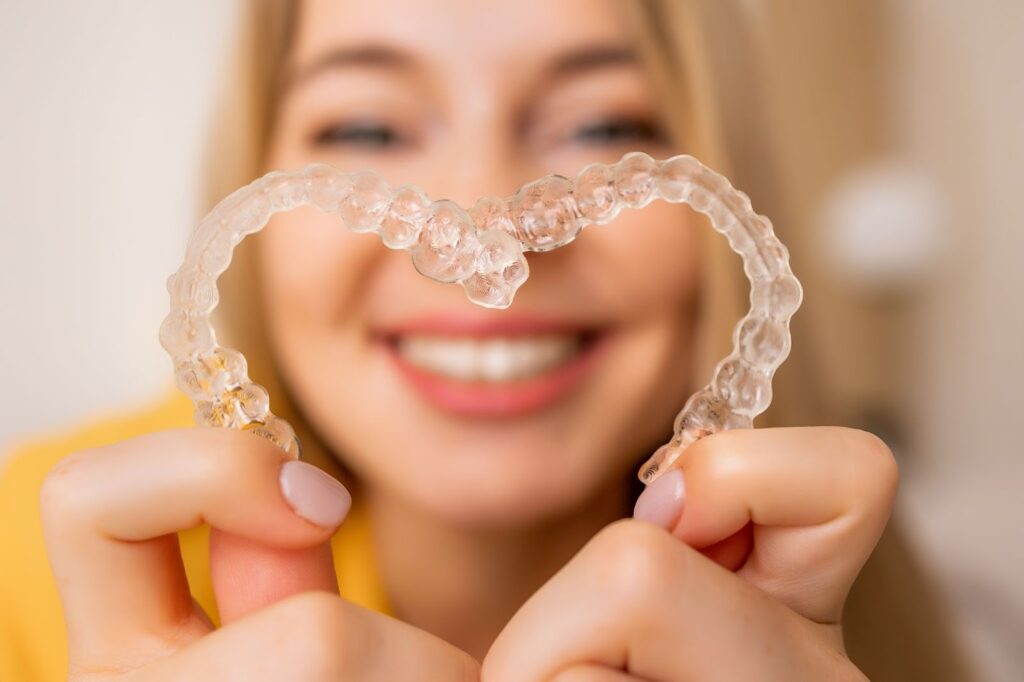
Tips for Clear Aligners
Clear aligners offer flexibility and convenience, but that flexibility comes with responsibility. With the right habits, you can maintain efficient and comfortable treatment from one tray to the next. Here are the key steps to follow.
1.) Wear aligners as directed
Full wear time is essential for predictable movement. Removing aligners too often or leaving them out between meals can slow your progress. If aligners aren’t worn for enough hours each day, the next tray may not fit properly.
The general rule is that aligners should stay in unless you’re eating, drinking something other than water, or cleaning them.
2.) Clean aligners daily
Cleaning your clear aligners every day helps keep them fresh, clear, and comfortable to wear. Since aligners sit closely against your teeth, any buildup can transfer to the trays, affecting both appearance and hygiene. A soft toothbrush and cool water work well for daily cleaning. Avoid using hot water, as it can warp the trays and affect their fit.
3.) Always use a storage case
Anytime your clear aligners aren’t in your mouth, they should be in their storage case. Aligners are easy to misplace or accidentally throw away if they’re wrapped in a napkin, left on a counter, or placed loose in a bag or pocket. The case protects them from damage, bending, and bacteria, and it helps you keep track of them when you’re at home, at school, or out to eat. Making a habit of putting aligners in the case the moment you remove them helps prevent delays in treatment and keeps your trays clean, safe, and ready to wear.
4.) Stay on schedule
Each set of aligners is part of a carefully timed plan. Switching to the next set too early or too late can throw off your progress or cause unnecessary discomfort. The aligners are designed to move your teeth in small, controlled steps. Rushing through them or falling behind won’t give your teeth time to settle properly.
Dr. Baig or Dr. Kurt will give you a schedule that shows exactly when to change aligners. Stick to it closely and keep your appointments for regular check-ins so we can make sure everything is progressing as it should.
5.) Keep the previous set just in case
It’s always a good idea to hold onto your most recent set of clear aligners after switching to a new one. If a tray cracks, gets lost, or doesn’t fit correctly after an accidental lapse in wear, having the previous set available as a “backup tray” prevents your teeth from shifting out of position and helps avoid unnecessary delays until you can get a replacement from Kurt Kavanaugh Orthodontics.

Your Smile Is Worth the Effort
Consistency is what matters most. A little intention each day makes your routine easier and keeps your smile moving forward. The road to a healthier smile takes time, patience, and teamwork, and our offices in Kansas City and Sedalia are here to support you along the way. If you need help, have questions, or feel inspired to start your smile transformation, contact us or schedule a free consultation with Kurt Kavanaugh Orthodontics today.